Heritage Spelt & Bread Flour Sourdough Boule
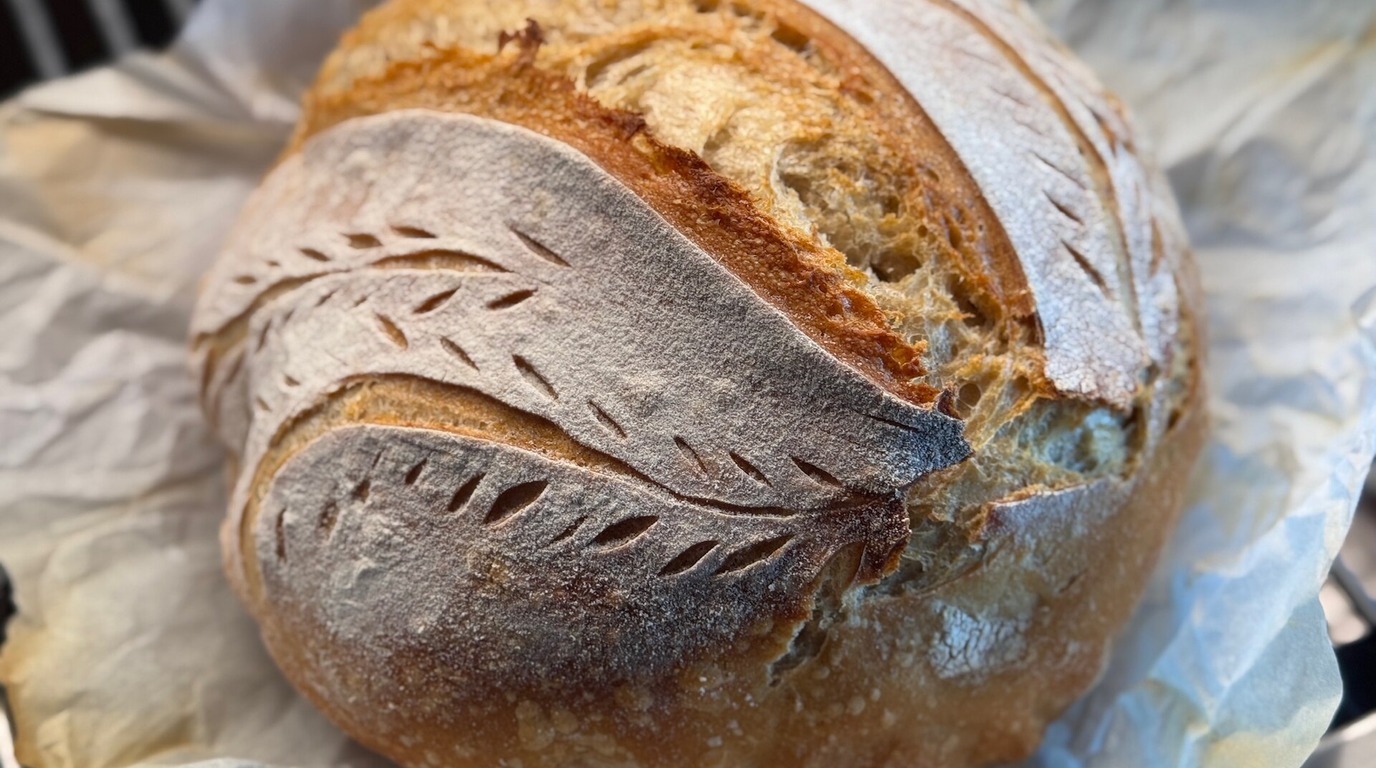
Fragrant, sweet-nutty 40% stoneground whole spelt (Dinkel) sourdough with blistered bronze crust and tender, buttery crumb
Heritage Spelt & Bread Flour Sourdough Boule Baker's Formula & Schedule At A Glance
The Heritage Spelt & Bread Flour Sourdough Boule is formulated at 70.0% apparent hydration (yielding 72.7% true total hydration once starter water and flour are factored in), featuring 40% Stoneground Whole Grain Spelt Flour / 60% Unbleached High-Protein Bread Flour, 20% active 100%-hydration levain, and 2.0% fine sea salt. Bulk fermented at 76°F (24°C) for 3.0–3.5 hours until 30% rise, followed by 12–14 hrs cold retard @ 38°F (3°C), and baked at 450°F (232°C) Dutch Oven (20m covered / 22m uncovered).
- Apparent Hydration
- 70.0%
- True Total Hydration
- 72.7% (+2.7% starter)
- Flour Composition
- 40% Stoneground Whole Grain Spelt Flour / 60% Unbleached High-Protein Bread Flour
- Levain Inoculation
- 20.0% (100% hydration)
- Bulk Fermentation
- 76°F (24°C) for 3.0–3.5 hours until 30% rise
- Proofing Schedule
- 12–14 hrs cold retard @ 38°F (3°C)
- Bake Profile
- 450°F (232°C) Dutch Oven (20m covered / 22m uncovered)
Boundary Caveat: Static gram weights for Heritage Spelt & Bread Flour Sourdough Boule assume 1 Country Boule (900g) at 70% apparent hydration (72.7% true hydration with 20% levain); if your pan volume, loaf count, or starter hydration differs from 100%, use the interactive gram scaler below to rebalance main flour and water automatically.
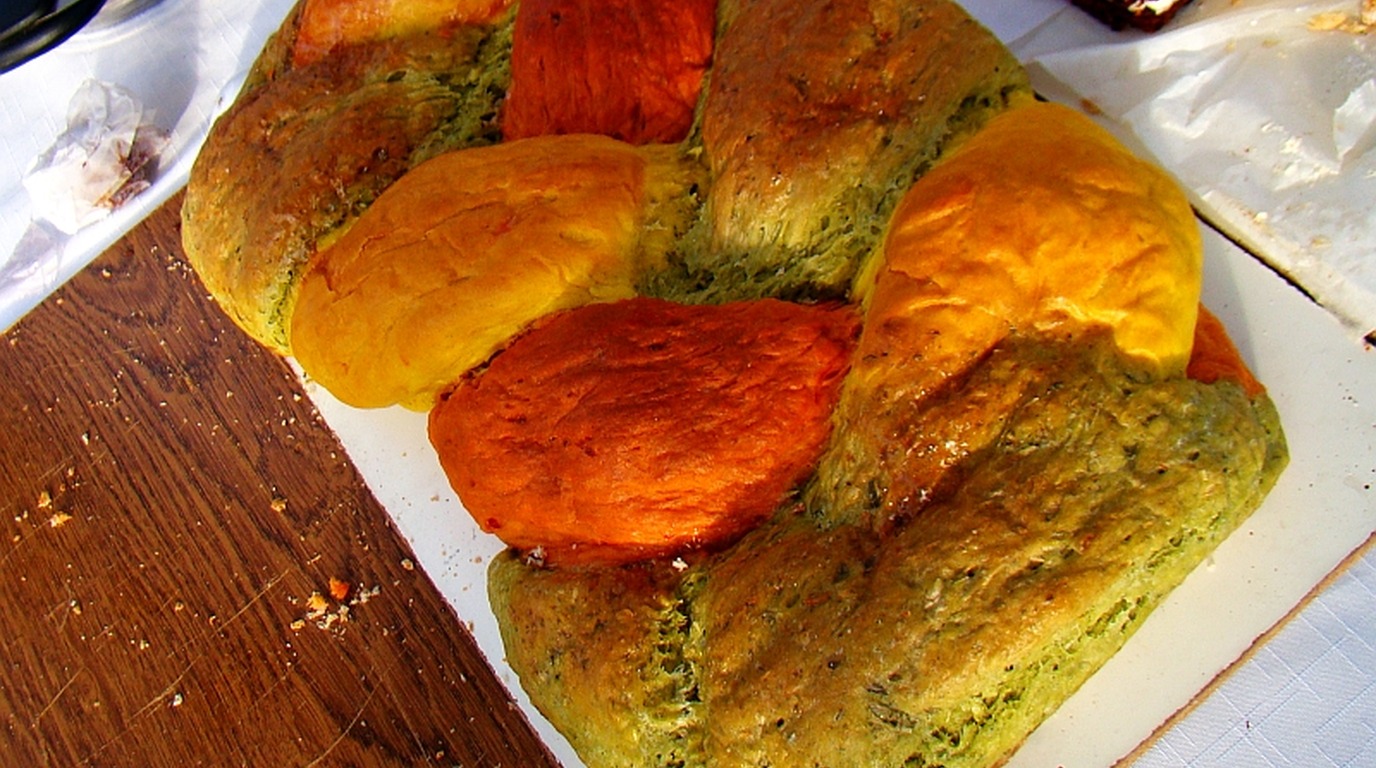
Dough Rheology & Handling Dynamics
Physics of gluten hydration, elasticity, and tackinessSpelt contains high levels of flexible gliadin proteins that hydrate rapidly in water. At 70% apparent hydration (73.3% true total hydration), the 60% strong bread flour provides the elastic glutenin backbone while the 40% whole spelt imparts a velvety, melt-in-the-mouth crumb.
Exact Gram Weights & Baker's Math
Base batch scaled for 1 Country Boule (900g). Main flour indexed to 100.0%.
| Ingredient | Weight (g) | Baker's % |
|---|---|---|
| Stoneground Whole Grain Spelt Flour (Dinkel) | 188g | 40.1% |
| Unbleached High-Protein Bread Flour | 281g | 59.9% |
| Water (Autolyse Phase) | 295g | 62.9% |
| Water (Bassinage / Salt Phase) | 33g | 7.0% |
| Active Levain (100% Hydration) | 94g | 20.0% |
| Fine Sea Salt | 9.4g | 2.0% |
| True Total Hydration (Free Dough) | 72.7% | +2.7% vs Apparent |
Interactive Recipe Calculator & Live Timer
Adjust loaf weight, change hydration, or launch the kitchen keep-awake baking companion.
Artisan Sourdough Hydration & Dough Feel Calculator
Water percentage added to main dough
40% - 150% (50% Stiff / 100% Standard / 125% Liquid)
Salt tightens the gluten mesh and regulates fermentation rate.
Screen keep-awake • Step-by-step timer • Bulk Rise sync (282m)
</> Embed this Calculator on Your SiteFree Blogger & Forum Widget▼
Add this interactive True Total Hydration & DDT calculator to your baking blog, recipe card, or food science guide. Copy and paste the responsive HTML snippet below:
<iframe src="https://sourdoughcalc.app/embed" width="100%" height="520" style="border:1px solid #e5e7eb; border-radius:12px;" loading="lazy"></iframe> <p style="font-size:12px; color:#6b7280; text-align:right; margin-top:4px;"> Powered by <a href="https://sourdoughcalc.app/" target="_blank" rel="dofollow">SourdoughCalc – Free Sourdough Hydration & Fermentation Calculator</a> </p>
Step-by-Step Artisan Method
Carefully curated instructions designed for consistency, oven spring, and blistering.
Build Active Sourdough Levain
Phase: Levain BuildMix 1 part mature sourdough starter with 2 parts lukewarm water (78°F / 26°C) and 2 parts unbleached flour to yield at least 94g active levain (20% inoculation). Ferment for 4–5 hours until doubled, domed, and buoyant.
Enzymatic Autolyse & Hydration
Phase: AutolyseCombine the 469g total flour blend (40% Stoneground Whole Grain Spelt Flour / 60% Unbleached High-Protein Bread Flour) with 295g filtered water (90% of formula water) in a broad mixing bowl. Mix until zero dry flour remains, cover, and rest for 45 minutes.
Incorporate Levain, Salt & Enrichments
Phase: Mixing & BassinageDimple 94g active levain, 9.4g fine sea salt (2.0%), and the reserved 33g bassinage water into the autolysed dough. Work using the Rubaud method or stand mixer for 4–6 minutes until smooth, incorporating any recipe enrichments.
Bulk Fermentation & Strength Folds
Phase: Bulk FermentationFerment at 76°F (24°C) for 3.0–3.5 hours until 30% rise. Perform 3 to 4 sets of stretch-and-folds or gentle coil folds spaced 30–40 minutes apart during the first 2 hours, laminating any solid inclusions at the second fold.
Portioning, Pre-Shaping & Final Shaping
Phase: ShapingTurn the aerated dough onto the work surface to yield 1 Country Boule (900g) (1 × 900g). Pre-shape gently, allow a 20-minute bench rest for gluten relaxation, then execute final shaping with taut surface skin tension.
Final Proofing & Cold Retardation
Phase: Proofing & RetardProof according to schedule: 12–14 hrs cold retard @ 38°F (3°C). Cold retardation at 38°F (3°C) slows yeast respiration while lactobacilli synthesize complex organic flavor compounds and organic acids.
Artisan Bake & Internal Cooling Cure
Phase: Bake & CureBake at 450°F (232°C) Dutch Oven (20m covered / 22m uncovered). Remove onto a wire cooling rack immediately after baking so bottom steam escapes cleanly, and allow starches to set before slicing.
Artisan Baker's Golden Rules for this Recipe
Account for True Total Hydration (72.7%): Because a 100%-hydration levain at 20% inoculation contributes equal parts water and flour, your true dough hydration is 2.7% higher than the 70.0% apparent water ratio.
Respect Desired Dough Temperature (DDT): Target 76°F–78°F (25°C–26°C) right after mixing so wild yeast and heterofermentative lactobacilli stay in optimal metabolic balance during 76°F (24°C) for 3.0–3.5 hours until 30% rise.
Master the Handling Protocol: Gentle Coil Fold & Banneton Stitching Protocol: Avoid aggressive mechanical kneading, which shears spelt's water-soluble gluten. Build tension via 4 gentle coil folds and stitch the seam tightly inside the banneton.
Verify Thermal Doneness: Bake at 450°F (232°C) Dutch Oven (20m covered / 22m uncovered) and always confirm core starch gelatinization with an instant-read thermometer before cooling on a wire rack.
Frequently Asked Questions & Troubleshooting
Q:What is the difference between 70.0% apparent hydration and 72.7% true hydration in this Heritage Spelt & Bread Flour Sourdough Boule?
Apparent hydration (70.0%) only divides formula water (328g) by main flour (469g). True total hydration (72.7%) includes the 47g water and 47g flour inside your 94g sourdough levain, reflecting the real physical moisture of the dough.
Q:How can I scale this Heritage Spelt & Bread Flour Sourdough Boule formula for multiple loaves or different pan sizes?
Use the live Baker's Percentage Calculator above: adjust Target Loaf Count or Target Unit Weight (default 1 × 900g = 900g batch) and every flour, water, levain, and salt gram weight recalculates automatically while preserving 70.0% hydration.
Q:Why does my dough feel stickier than expected during bulk fermentation?
Spelt contains high levels of flexible gliadin proteins that hydrate rapidly in water. At 70% apparent hydration (73.3% true total hydration), the 60% strong bread flour provides the elastic glutenin backbone while the 40% whole spelt imparts a velvety, melt-in-the-mouth crumb. Ensure your flour meets the recommended protein spec and keep your hands lightly damp or oiled rather than adding raw bench flour.
Q:Can I cold-retard this dough longer in the refrigerator for deeper sourdough tang?
Yes! Keeping your refrigerator calibrated between 36°F and 38°F (2°C–3°C) puts wild Saccharomyces yeast into dormancy while lactic acid bacteria continue producing organic acids for up to 16–24 hours.
Plan & Troubleshoot This Heritage Spelt & Bread Flour Sourdough Boule Bake
9-Stage Baking Schedule & Reverse Clock
Reverse-engineer feeding, autolyse, folding, and cold retard times from your target bake hour, then export the full Heritage Spelt & Bread Flour Sourdough Boule timeline as .ics phone calendar alarms.
Crumb Doctor & Fermentation Diagnostic
Diagnose dense Fool's Crumb (underproofing), proteolytic collapse (overproofing), or hydration overshoot in this 70% dough before your next bake.
Related Artisan Sourdough Recipes
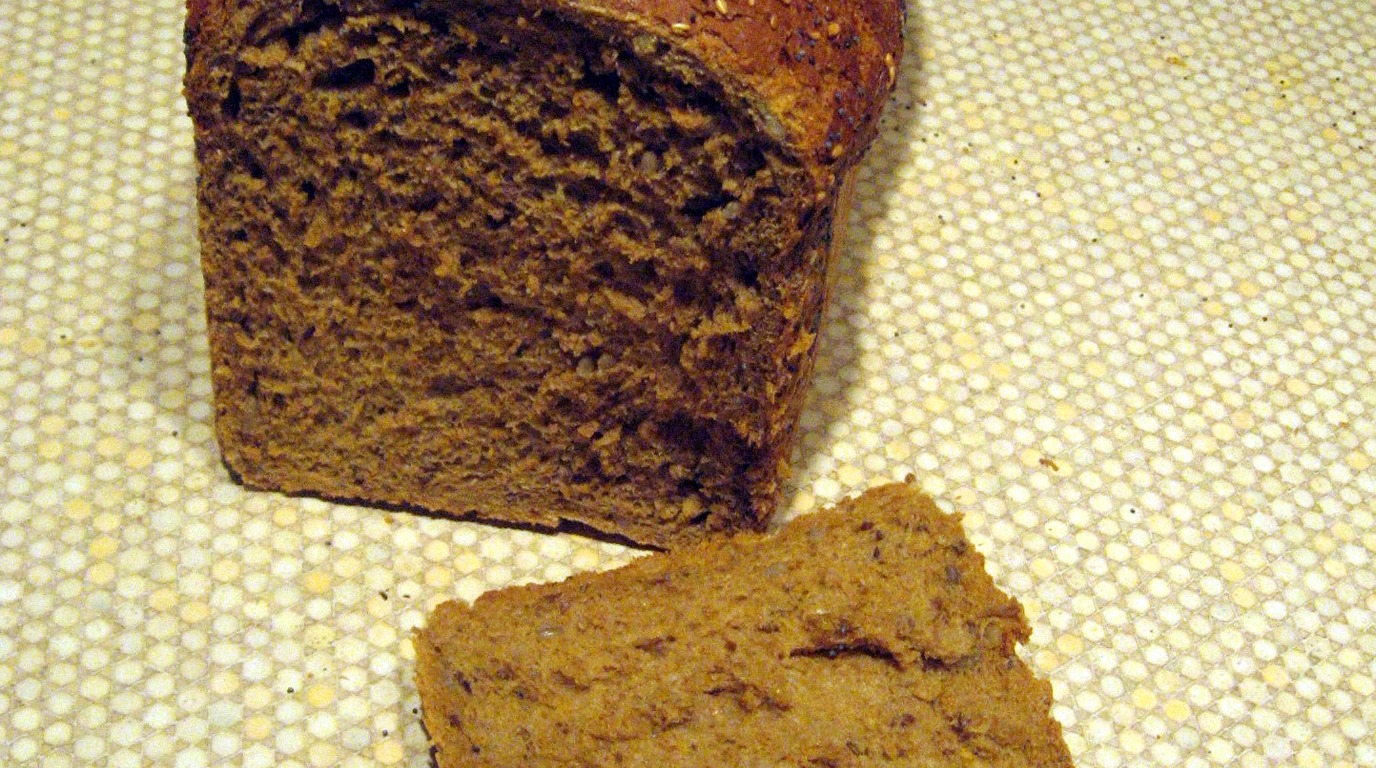
Soaked Seed & Multigrain Sourdough Country Loaf
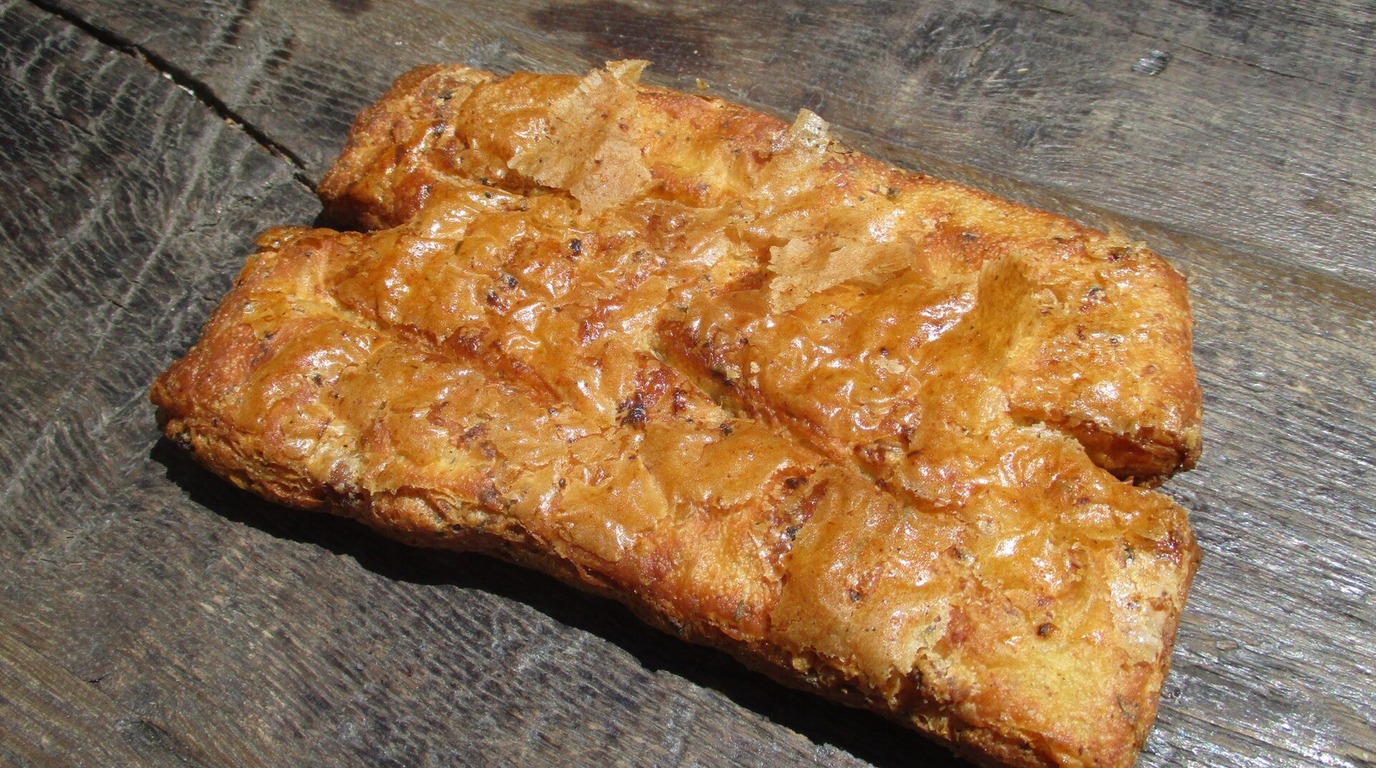
Mediterranean Kalamata Olive & Herb Sourdough Loaf
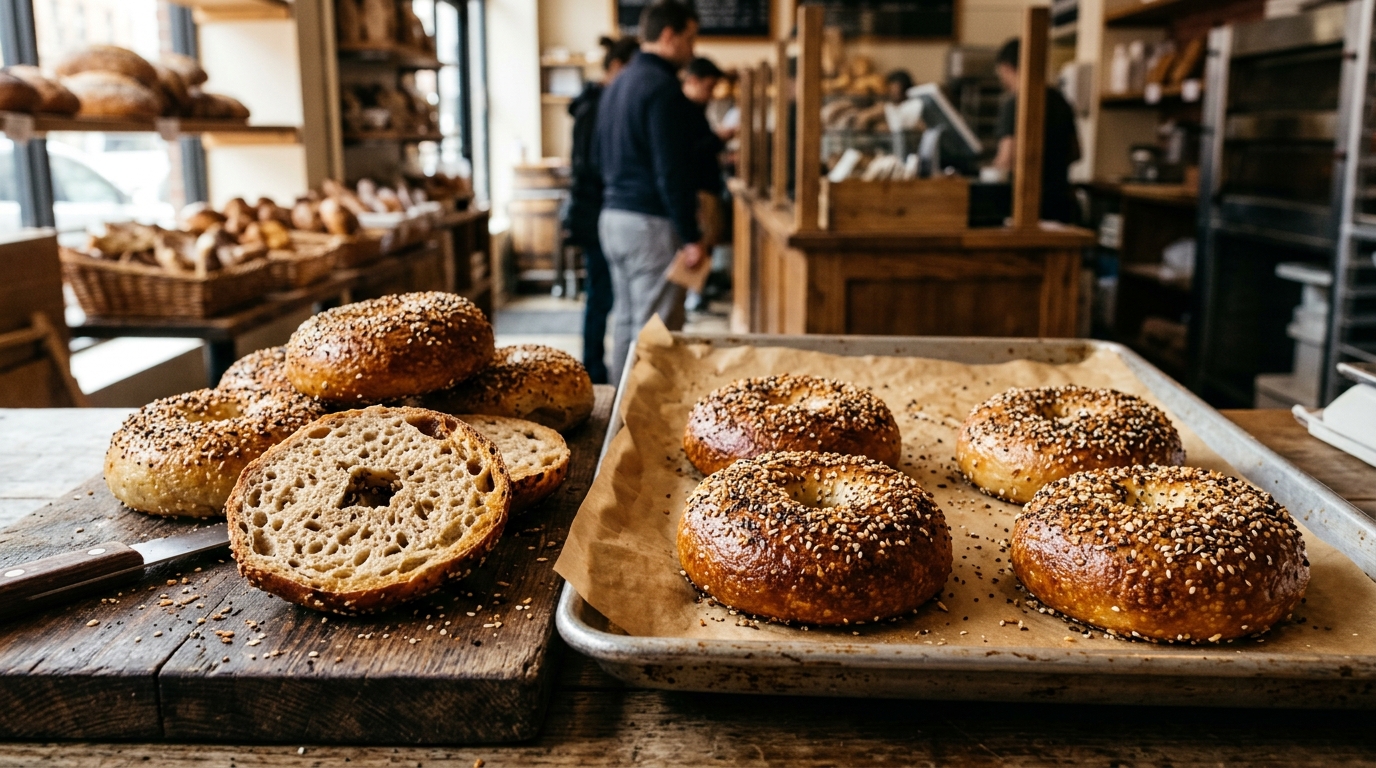
Artisan New York Sourdough Bagels
Same-Day 8-Hour Sourdough Country Bread
Yogurt & Ghee Cast-Iron Sourdough Naan
Fluffy Pull-Apart Sourdough Dinner Rolls
Matching Baker's Math Reference Guides
How Much Water for 500g Flour Sourdough at 70% Hydration? (335g Water & 100g Starter)
How Much Water for 450g Flour Sourdough at 70% Hydration? (302g Water & 90g Starter)
Can I Use King Arthur Bread Flour for 70% Hydration Sourdough? (500g Recipe & Protein Guide)
Can I Use Bob's Red Mill Bread Flour for 70% Hydration Sourdough? (500g Recipe & Protein Guide)
Convert 100g Sourdough Starter (100% Hydration) to Instant, Active Dry & Fresh Yeast
Overnight 1:5:5 (1 5 5) Sourdough Starter Ratio for 90g: High-Ratio Feeding Chart
Zero-Waste Sourdough Discard Companion Guides (Wave 6)
100g Sourdough Discard Crispy Discard Pan Pizza Crust Recipe & Conversion (Subtract 50g Flour & 50g Liquid)
Subtract Recipe Flour: -50g
Small-Batch 50g Sourdough Discard Brioche-Style Discard Cinnamon Rolls Recipe & Conversion (-25g Flour / -25g Liquid)
Subtract Recipe Flour: -25g
120g Sourdough Discard Fluffy Buttermilk Pancakes Recipe & Conversion (Subtract 60g Flour & 60g Liquid)
Subtract Recipe Flour: -60g
Thermodynamic Water Temperature & Ice Guides (Wave 7)
What Water Temp for Sourdough in a 80°F (27°C) Kitchen? (Stand Mixer Low Speed (78°F DDT) & Summer Ice Chart)
Required Water Temp: 64°F (17.8°C)
Sourdough Water Temperature for a 76°F (24°C) Room — Spiral Mixer (74°F Artisan DDT) DDT Calculator
Required Water Temp: 50°F (10°C)
Sourdough Water Temperature for a 72°F (22°C) Room — Hand Mixing (75°F Target DDT) DDT Calculator
Required Water Temp: 82°F (27.8°C)
Compare Sourdough Calculators for This Formula
The Bread Code Sourdough Framework Tool Comparison
No dedicated thermodynamic ice water solver or geometric bowl calibration.
Foodgeek Bread Calculator Alternative
No True Total Hydration reconciliation and no latent-heat crushed ice calculation for warm kitchens.
BreadCalc Alternative & Modern Modernization
Outdated non-responsive UI, no temperature/DDT control, and zero fermentation timing companion.
Deep-Dive Baking Science & Masterclasses
Tangzhong & Yudane Sourdough Science: How Starch Gelatinization Makes Soft Brioche, Shokupan & Cinnamon Rolls
Enriched dough fails for one reason: fat added too early. Understand the cooking step that keeps milk bread soft for five days and the fermentation compensation high sugar and butter demand.
How to Calculate Sourdough Hydration with Starter (True Total Hydration Chart)
Most bakers believe they are baking at 70% hydration, only to find their dough slack, sticky, and unable to hold tension. The culprit is 'Apparent Hydration'—the amateur omission of the water already contained within your starter.
Sourdough Flour Absorption Chart: King Arthur vs. Bob's Red Mill Max Hydration Tested
Not all flours absorb water equally. A blend with 15% Whole Wheat and 5% Dark Rye behaves radically differently than pure unbleached bread flour. Here are the lab-tested absorption benchmarks.
Heritage Spelt & Bread Flour Sourdough Boule Equipment & Baker's Arsenal
Mastering this heritage spelt & bread flour sourdough boule formula requires calibrated thermal transfer and specialized tools. Here is the verified hardware standard.
Lodge Cast Iron Combo Cooker (3.2-Quart Deep Pot & 10.25-Inch Skillet)
2-piece cast iron combo cooker pairing a 10.25-inch shallow skillet base for safe dough loading with an inverted 3.2-quart deep pot to trap steam.
Saint Germain 9-Inch Natural Rattan Banneton Proofing Basket with Liner
Handwoven natural Indonesian rattan proofing basket with linen liner that wicks away surface moisture during overnight cold retardation.
Baker of Seville Stainless Steel Bread Lame Scoring Tool
Balanced stainless steel sourdough scoring lame with replaceable razor blades for clean 30-degree expansion slashes.
Fuzion 3000g / 0.1g High-Precision Digital Kitchen Baker's Scale
High-precision 0.1g digital gram scale for weighing exact hydration water splits, starter inoculation, and salt percentages.